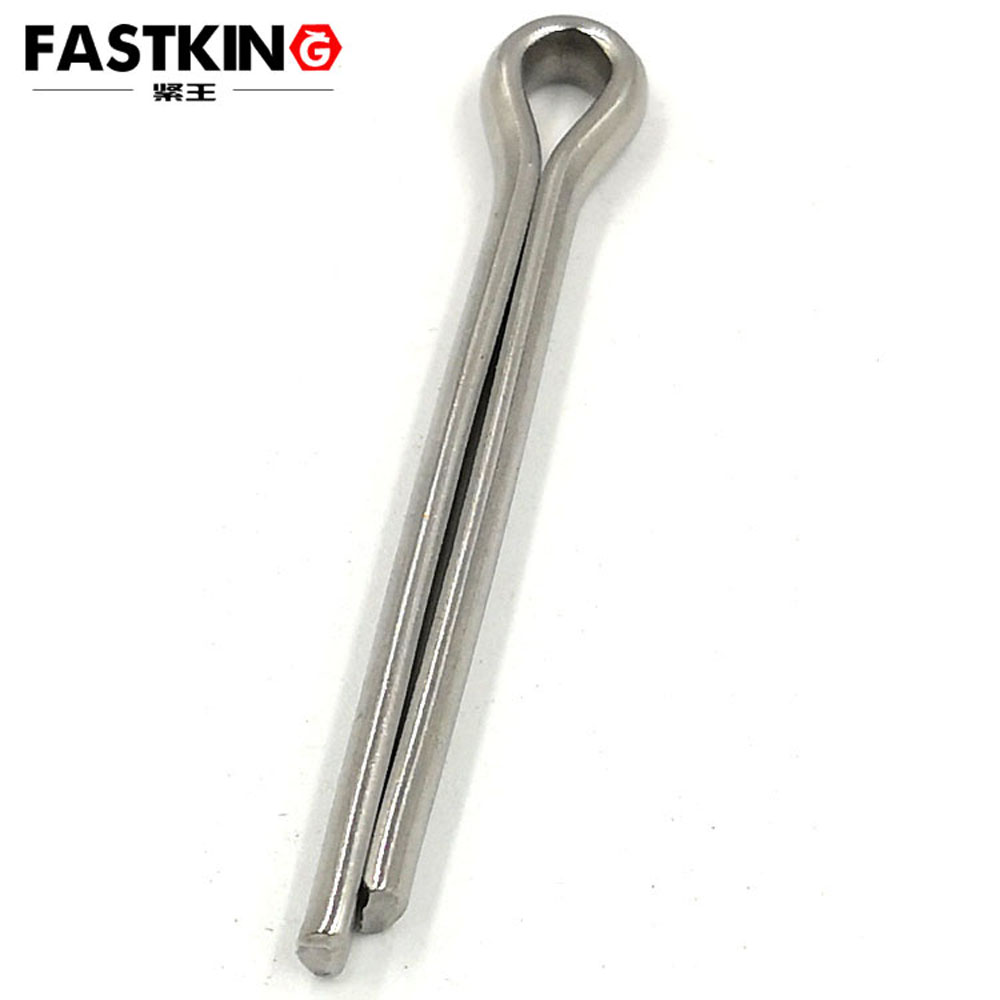
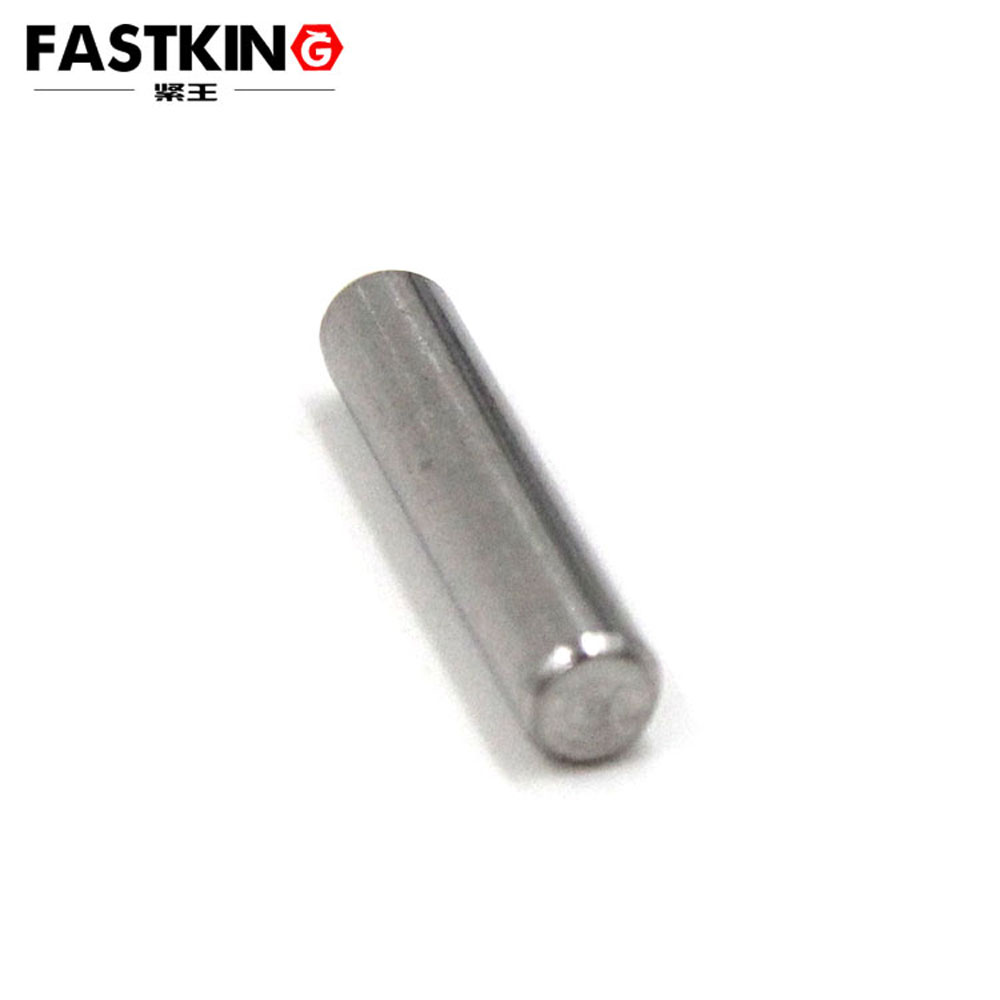
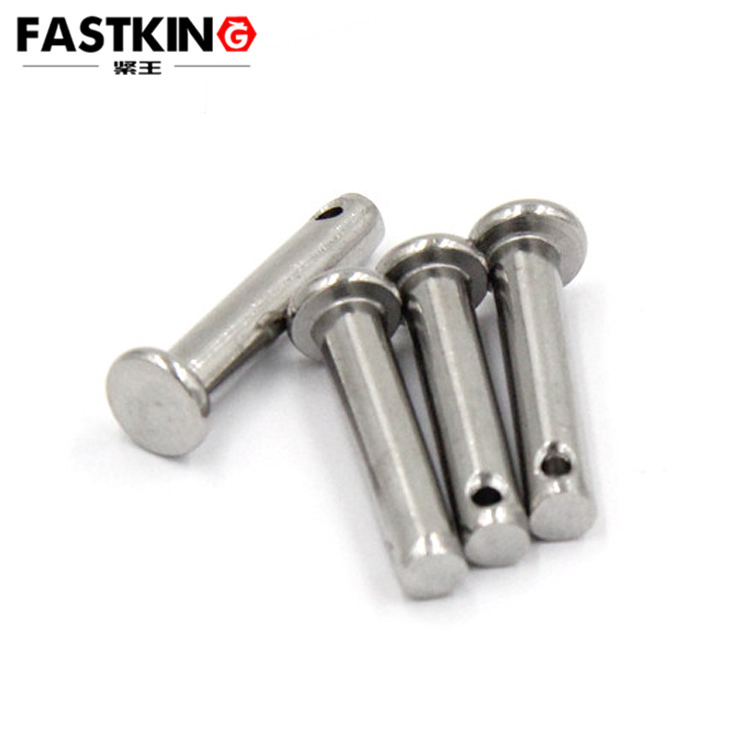
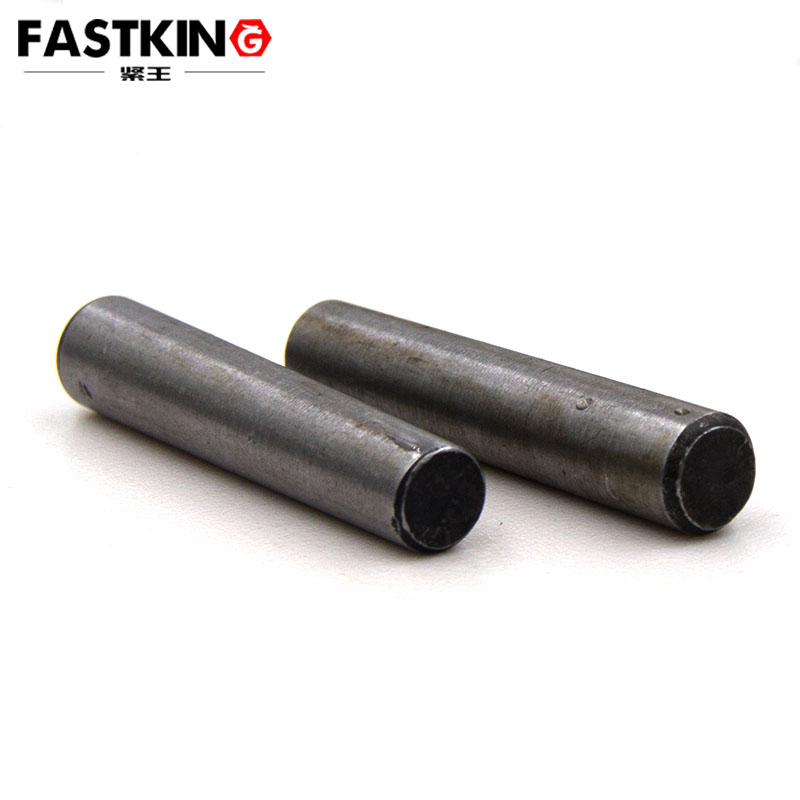
In the safety protection system of mechanical connections, the cotter pin, as a standardized component with a simple structure yet critical function, undertakes the core responsibility of "preventing loosening and ensuring safety". It is inserted into the holes of components such as pin shafts and bolts, and its legs are bent apart for locking, preventing the connected parts from falling off under vibration and impact conditions. It is widely used in various scenarios that require reliable locking. In accordance with the GB/T91-2000 National Standard, the design, material and specifications of cotter pins are strictly regulated, ensuring uniform performance and interchangeability across different industries. Commonly known as "spring pins" or "safety pins", cotter pins have long been the "invisible guardians" for the stable operation of mechanical equipment.
From the perspective of standard specifications and dimensions, GB/T91-2000 defines clear technical boundaries for cotter pins. Their nominal specifications range from 0.6mm to 20mm, which can meet the different connection needs of equipment from microelectronic devices to heavy machinery. Small-sized cotter pins (0.6-2mm) are often used for locking small pin shafts in precision instruments and electronic products, such as fixing the pin shafts of adjustment knobs in medical equipment. Their slender size not only achieves effective locking but also does not affect the compact structure of the equipment. Medium and large-sized cotter pins (3-20mm) are suitable for heavy-duty scenarios, such as large hinge pin shafts in ship assembly and connecting pin shafts of construction machinery buckets. Relying on their larger cross-sectional size, they provide stronger shear resistance to resist the risk of falling off caused by severe vibration. The standard also clearly specifies the tolerance ranges for the leg length and pin body diameter of cotter pins, ensuring precise matching with pin shaft holes and avoiding locking failure or installation difficulties due to dimensional deviations.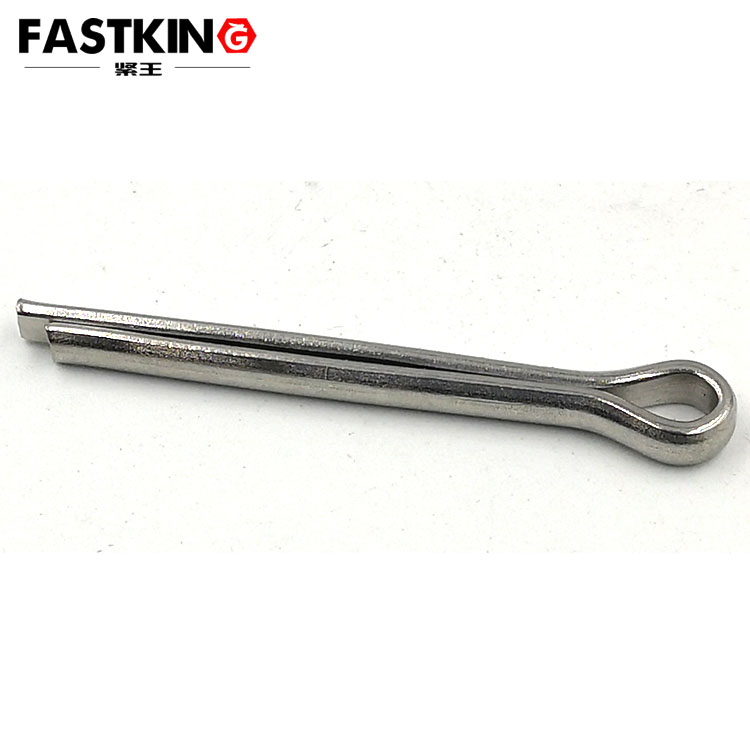
Material selection is the core guarantee for the performance of cotter pins. The industry mainly uses three types of materials: carbon steel, copper alloy and stainless steel, each suitable for different working conditions. Carbon steel cotter pins are made of high-quality low-carbon steel (such as Q235 and Grade 10 steel). After quenching and tempering treatment, they have good elasticity and rigidity, and are relatively low in cost. They are suitable for ordinary working conditions with dry environments and no corrosion, such as locking the connecting parts of building curtain walls and fixing the pin shafts of ordinary brackets in power facilities, which can meet the anti-loosening needs in conventional scenarios. Copper alloy cotter pins (such as brass and bronze) have both elasticity and corrosion resistance, and also possess good electrical conductivity. They are suitable for humid environments or scenarios requiring electrical conductivity, such as connecting pin shafts of signal towers in communication equipment and locking conductive components inside electronic devices. The copper alloy material can avoid poor contact caused by rust, ensuring the stable operation of the equipment. Stainless steel cotter pins (such as 304 and 316 stainless steel) are the first choice for corrosion-resistant scenarios. They can resist erosion from harsh environments such as acid, alkali, seawater and high-temperature water vapor, and are widely used in fields such as food machinery (in direct contact with food, requiring no rust pollution), petrochemical engineering (connection of acid-base pipelines) and ship assembly (seawater corrosion environment). Even when exposed to outdoor or corrosive media for a long time, they can maintain stable elasticity and structural integrity.
The core feature of cotter pins lies in their "excellent resistance to repeated bending" — the standard requires that each leg of the cotter pin can withstand repeated bending multiple times without cracks or fractures in the bent part. This characteristic stems from the selection of high-quality materials and precise processing technology: the raw materials need to undergo processes such as drawing and annealing to improve toughness, and after forming, surface polishing is carried out to eliminate stress concentration points, ensuring that the legs are not easily damaged during the bending and resetting process. For example, in the locking of pin shafts in the tractor suspension system, the bumps during the equipment operation will cause the legs of the cotter pin to bear slight bending stress frequently. If the bending resistance is insufficient, the legs are prone to breakage, which in turn leads to the falling off of the pin shaft; however, cotter pins that meet the standard can withstand such repeated stress for a long time, always maintaining the locked state and ensuring the safe operation of the equipment. In addition, the installation and disassembly of cotter pins are extremely convenient: during installation, it is only necessary to insert the pin body into the hole and use pliers to bend the two legs to an appropriate angle; during disassembly, the legs can be cut off or directly straightened and taken out without special tools, greatly improving maintenance efficiency.
In practical use, the detailed operation of cotter pins directly affects their locking effect and service life. To avoid damaging the hole wall of the pin shaft during installation, a small amount of grease can be applied to the pin hole in advance. This not only reduces the friction when inserting the cotter pin and protects the smoothness of the hole wall but also plays a role in rust prevention during subsequent use. It is especially suitable for the matching scenario of stainless steel cotter pins and aluminum alloy pin shafts, which can prevent electrochemical corrosion caused by the contact of the two metals. At the same time, it is necessary to select cotter pins of matching specifications according to the size of the pin shaft hole: if the diameter of the pin body is too large, it is easy to cause extrusion deformation of the hole wall; if it is too small, effective locking cannot be achieved. The length of the legs should ensure that after being bent, they can fully cover the end face of the pin shaft to avoid the rebound failure of the legs caused by vibration.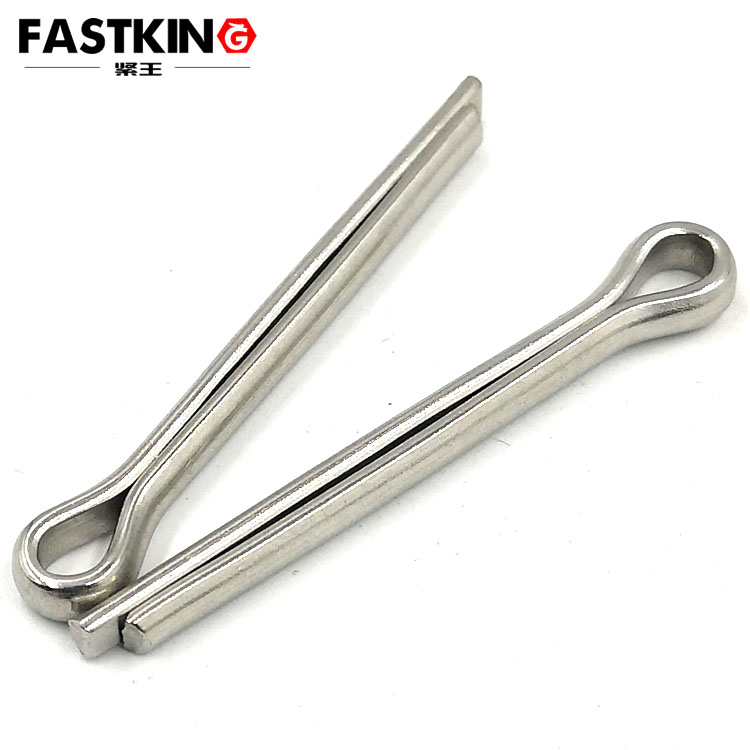
From the grid machines of environmental protection equipment to the adjustment mechanisms of medical equipment, and from the transmission components of food machinery to the large hinges of ships, cotter pins, with their standardized design, diverse material options and reliable anti-loosening performance, have become indispensable safety components in mechanical connections across various industries. Although their structure is simple, they, with the characteristic of "small components playing a major role", work in coordination with connecting components such as pin shafts and bolts to jointly build a safety protection system for mechanical equipment, providing solid guarantees for the stable and efficient operation of the equipment.
Zhuhai Jiali Hardware Products Co., Ltd., established in 2008, is an enterprise specializing in the production and sales of industrial fasteners. At present, the main products of the company are hexagon screw, hexagon screw, micro screw, set screw, various kinds of nuts, teeth, flat pad, spring pad, split ring, various kinds of colorful washer, 12.9 grade alloy steel high strength screw, hexagon wrench, etc Box spanner can also be customized according to the drawing. Products mainly comply with the national standard, German standard, American Standard, British standard and international standard. The main service industries are automobile, electronics, medical equipment, hardware, machinery, shipping, chemical industry, communication, construction, etc. at the same time, all kinds of information should be complete, welcome to contact us.